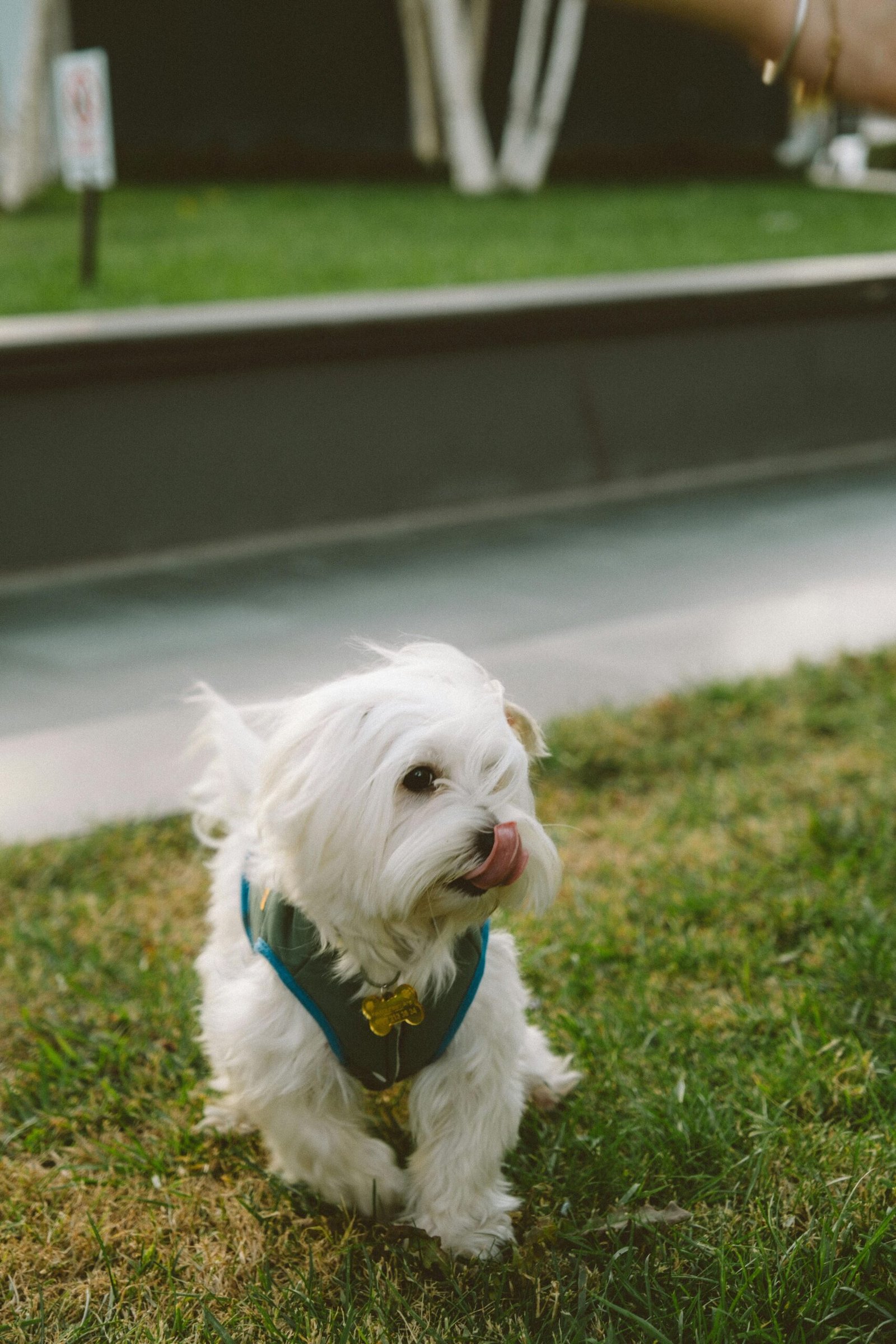
Teacup Maltese Puppy for Sale – Kroon: Your Perfect Tiny Companion
Why Choose a Teacup Maltese?
The Teacup Maltese is more than just a dog; it is a lifestyle. Known for their angelic white hair and spirited, loving temperament, they are the ideal companions for those living in the USA. Kroon is our latest addition, displaying the high-quality genetics we pride ourselves on.
Kroon: A Special Teacup Maltese for Your Family
Kroon is not just another puppy. He has been raised following strict health protocols. We focus on the “Teacup” sizing while maintaining robust immune systems and structural soundness.
What to Expect from a Teacup Maltese
* Size & Weight: Typically ranging from 3 to 5 lbs when fully grown.
* Temperament: Bold, playful, yet incredibly cuddly.
* Hypoallergenic Coat: Perfect for owners with mild sensitivities.
Ethical Breeding and Health First
At our kennel, we believe in transparency. When you search for Teacup Maltese puppies, you must prioritize health. We perform rigorous vet checks, heart screenings, and socialization training.
Puppy-Proofing Your Home for a Teacup Maltese
Because of their size, your home needs to be safe. We provide a full guide on protecting your tiny friend from household hazards, toxic plants, and risky furniture jumping.
Nutrition and Grooming for Your Teacup Maltese
The health of a Teacup Maltese depends heavily on their diet. Frequent, small feedings are necessary to prevent hypoglycemia. Furthermore, their hair requires professional grooming to stay tangle-free and healthy.
The Regal Legacy
The history of the **Teacup Maltese**—and its standard-sized ancestors—is a tapestry woven through millennia of human civilization. While today we view these tiny, white-coated companions as the ultimate lap dogs, their lineage is one of prestige, ancient maritime travel, and survival among the social elite. To understand the **Teacup Maltese** you see today, one must journey back to the cradle of Western civilization.
Ancient Origins in the Mediterranean
The Maltese is widely considered one of the oldest dog breeds in existence. While their name suggests an origin on the island of Malta, historians and archeologists believe the breed likely originated in south-central Europe or the Middle East. The name “Maltese” is derived from the Semitic word *malat*, meaning “refuge” or “harbor,” which likely refers to the island of Malta, where these dogs were highly prized by the ancient seafaring Phoenician and Greek cultures.
As far back as 3500 BC, the Greeks and Romans were enamored with these dogs. The ancient philosopher Theophrastus mentioned them in his writings, and they were frequently depicted on Greek pottery and Roman mosaics. For the aristocracy of the ancient world, owning a Maltese was a status symbol—a way to demonstrate wealth and refinement.
The “Canis Melitaeus” and the Roman Empire
The Romans referred to the breed as the *Canis Melitaeus*, or “The Dog of Malta.” They were not merely pets; they were companions to the women of the Roman elite. Historical records suggest that these dogs were often carried in the sleeves of noblewomen’s robes, acting as both a fashion statement and a “living perfume,” as the dogs were believed to have a pleasant scent and provided warmth.
When the Roman Empire fell, the Maltese did not fade into obscurity. Instead, they were preserved by the nobility of the Byzantine Empire. During this period, the breed’s reputation as the “aristocrat of the dog world” was solidified. They were the preferred pets of royalty, appearing in the courts of China during the Tang Dynasty and later resurfacing in Europe during the Middle Ages.
The Renaissance and the Rise of Royalty
During the Renaissance, the Maltese underwent a transformation. They became the ultimate lapdog for the ladies of the French and English courts. It is said that Mary, Queen of Scots, and Queen Elizabeth I both kept Maltese-type dogs. The breed was small, elegant, and possessed a temperament that suited the quiet, indoor lifestyle of the royal chambers.
By the 18th and 19th centuries, the breed had become a staple of portraiture. Famous artists of the era frequently painted their subjects with a white, long-haired dog at their feet. It was during this period that breeders began to focus on the aesthetic qualities that we recognize in the modern **Teacup Maltese**—the pure white coat, the dark, alert eyes, and the compact, graceful frame.
The Development of the Modern Breed
In the 19th century, the breed made its debut in the world of competitive dog shows. The first “Maltese Lion Dog” was exhibited at the Westminster Kennel Club in the United States in 1877. Throughout the 20th century, the American Kennel Club (AKC) standardized the breed, focusing on the silky, floor-length white coat and the gentle, fearless personality that makes them such beloved pets today.
The Evolution into the “Teacup” Variant
As our modern living conditions shifted toward smaller apartments and urban dwellings in the USA, the demand for smaller dogs grew. This is where the **Teacup Maltese** emerged. Breeders, through careful selection of the smallest, healthiest individuals from litters, refined the breed to its current miniature stature.
It is important for prospective owners to understand that a **Teacup Maltese** is not a different breed, but a variation in size within the Maltese standard. Because they are bred to be significantly smaller than the average 6-to-8-pound Maltese, they require specialized care. Their history as “royal lapdogs” is reflected in their modern behavior—they remain incredibly attached to their humans, crave affection, and maintain the same bold spirit that their ancestors displayed in the palaces of Europe.
Why Their History Matters for Today’s Owners
When you bring a **Teacup Maltese** home, you aren’t just getting a pet; you are adopting a lineage. Their historical role as companions to the elite explains why they are so prone to separation anxiety and why they thrive on human interaction. They have been bred for thousands of years specifically to be by our side.
Understanding this history also highlights the importance of health. Because these dogs were historically protected and pampered by royalty, they did not evolve to survive in harsh, rugged environments. Their delicate nature is a result of their long history as indoor, pampered companions. Providing your puppy with the right nutrition, climate control, and soft bedding isn’t just about comfort—it’s about honoring the specialized care that has kept this breed thriving for over 4,000 years.
Today, the Maltese remains a symbol of elegance and devotion. As you look at your new puppy, you are seeing the result of millennia of selective breeding, artistic appreciation, and a unique, unbroken bond between humans and one of the most endearing canine companions in history.




Reviews
There are no reviews yet.